.png)
.png)
Turn Every Asset Into a Digital Touchpoint
Every device out in the field can tell you exactly where it is, how it's configured, and what's happened to it.
All it takes is a scan.
Most fleets have no memory and no one to ask.
Once a device leaves your control, no one remembers where it is, what it's running, or what's happened to it since.
The service experience never carries your brand. The end user has nowhere to turn but a call center. And your team has no visibility to act on it.
Installed base management shouldn't run on memory. We turn every device into service excellence, self-help, and operational control.
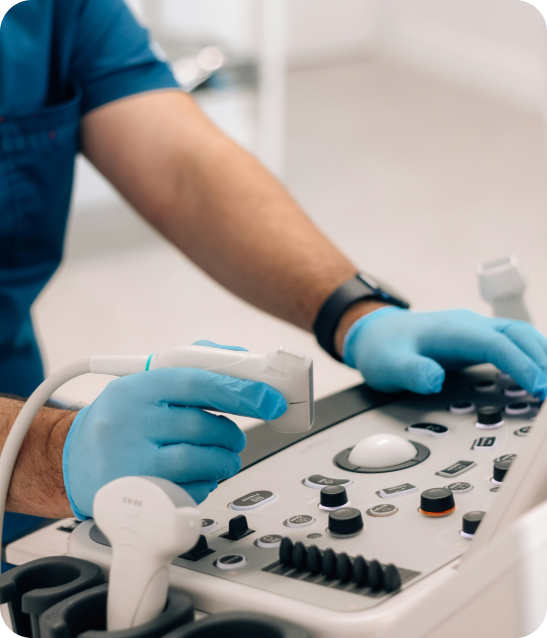
One Platform, three jobs


.png)

.png)
Our solutions.
.png)
Own the relationship after sale
Full installed-base visibility across every customer site, in every country. Service costs down, resolution faster. Turn service into a revenue line, not just a cost center.
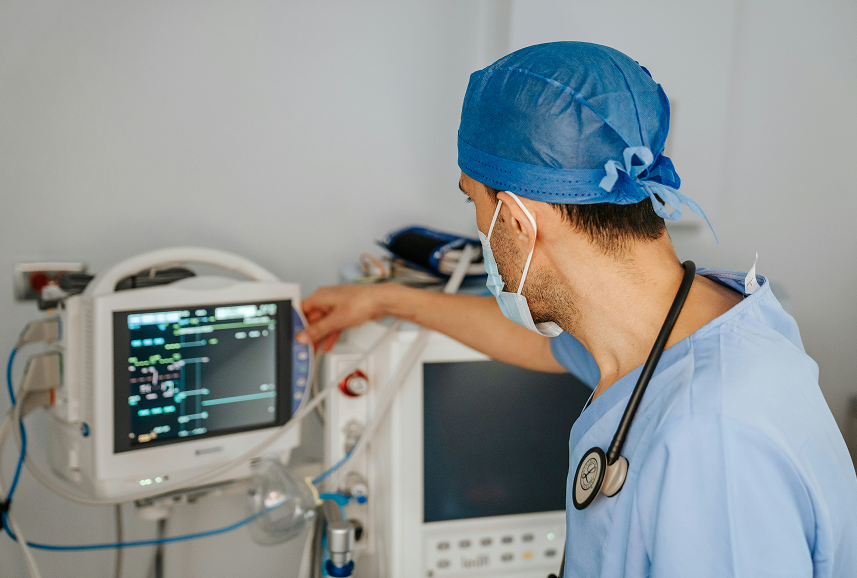
Get more out of the fleet you already have.
Full installed-base visibility across every customer site, every country.
Service costs down, resolution faster.
Turn service into a revenue line, not just a cost center.
.png)
One data layer, built for value creation.
Portfolio-wide visibility into installed base and service economics across every portfolio company. One data layer to benchmark service cost and margin recovery pre- and post-acquisition. Turns fleet data into a due-diligence and value-creation asset.
.png)
Built for medtech, works for any fleet.
The same digital-twin approach applied to any deployed equipment fleet, not just medtech. One platform for manufacturing, industrial, and facilities equipment too.
One scan, every answer
One scan does three things at once: it gives the person at the device an answer, it updates that device's record for everyone else, and it turns the interaction into value your team can capture.
Connect
Enable direct customer access in real time

Device self-service, scan for instant guided help, no app required, no waiting. If it can't be solved locally, there's a direct line to the manufacturer, no phone tree.
The relationship you lost at point of sale.
Know
Create transparency across the fleet
.png)
A clear view of which products are installed where. Every service case becomes a structured record at the serial-number level, surfacing usage, issues, and failure patterns across the fleet before they're a problem, even on devices that never phone home.
The relationship you lost at point of sale.
Capture
Capture the margin trapped in service
.png)
Issues solved at the device mean fewer calls and avoidable truck-rolls. Technicians arrive with the full case history, no blind repeat visits, and warranty claims are validated against the real record instead of a paper trail.
Margin you defend or reinvest.
Numbers from live deploments
6-12 wks
to deploy
27%
service cost reduction
1.2M+
devices live, across 57 countries
+9
CSAT improvement
29s
To solution
2x
faster resolution on average
What customers say
.png)
“We used to have no idea what happened to a device once it left the warehouse. Now every unit reports its own history.”
“I scanned the code on the device and had my answer in seconds. I didn't even need to call anyone.”
“We went from three separate systems to one record per device. Resolution time dropped almost immediately.”
“Audit prep used to take weeks of pulling records together by hand. Now it's already there, tied to the serial number.”
“Our hardware isn't that different from the competition anymore. The service experience is, and that's why customers renew with us instead of switching.”
Frequently asked questions.
How do we get started?
Getting started usually takes a few weeks, not months. We first look at your device fleet and workflows, then define a pilot with around 200–500 devices. From there, we handle the setup and onboarding and typically go live within 6–12 weeks.
How long does onboarding take?
Most customers are up and running within 6–12 weeks from kickoff. This includes the initial setup, device tagging and rollout to the relevant teams. The exact timeline depends mainly on fleet size, data availability and the systems we need to connect.
Does sqanit require an app or login for end users?
No. Users simply scan the QR code with their phone camera and are taken directly to the relevant device information or service flow. There is no app to download and no account or login required for the end user.
How does sqanit work with the systems we already use?
sqanit is API-first and designed to work alongside your existing systems. Device records and service data can be exchanged through REST APIs and connected to systems such as ERP, CRM, service or asset-management platforms.
sqanit also supports GS1 and UDI standards and is a GS1 Germany Solution Partner, so existing device identifiers can be used rather than creating a separate identification structure.
Is sqanit secure and compliant?
sqanit creates a traceable record of device and service interactions at serial-number level, helping teams maintain the documentation needed for regulated service and quality processes.
The platform is hosted in the EU and designed in line with GDPR requirements. Access and permissions can also be managed based on user roles and responsibilities.
See your own fleet on sqanit
See how sqanit transforms your installed base into a service excellence engine


.jpg)